
Support Every Dyslexic Learner in Your School
A practical, evidence-informed guide to the best technology tools for supporting dyslexia - covering reading, spelling, writing, memory and more.
Written with Dr Helen Ross, one of the UK's leading dyslexia specialists.
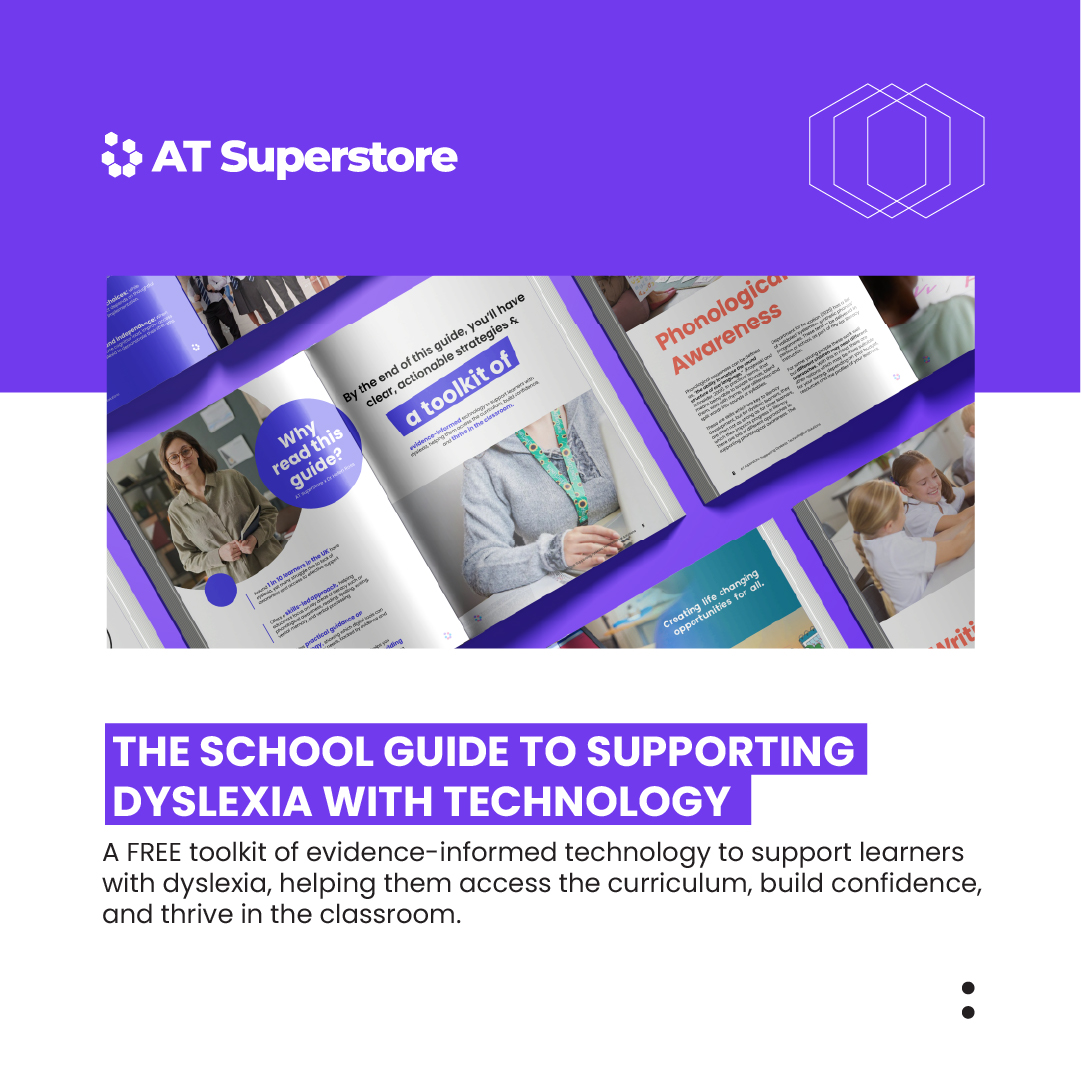
Why should you read this guide?
Around 1 in 10 learners in the UK have dyslexia.
Offers a skills-led approach.
Provides practical guidance on technology.
You’ll have clear, actionable strategies & a toolkit of evidence-informed technology to support learners with dyslexia, helping them access the curriculum, build confidence,and thrive in the classroom.
What's inside: Six skill areas. Dozens of solutions.
You’ll have clear, actionable strategies & a toolkit of evidence-informed technology to support learners with dyslexia, helping them access the curriculum, build confidence,and thrive in the classroom.
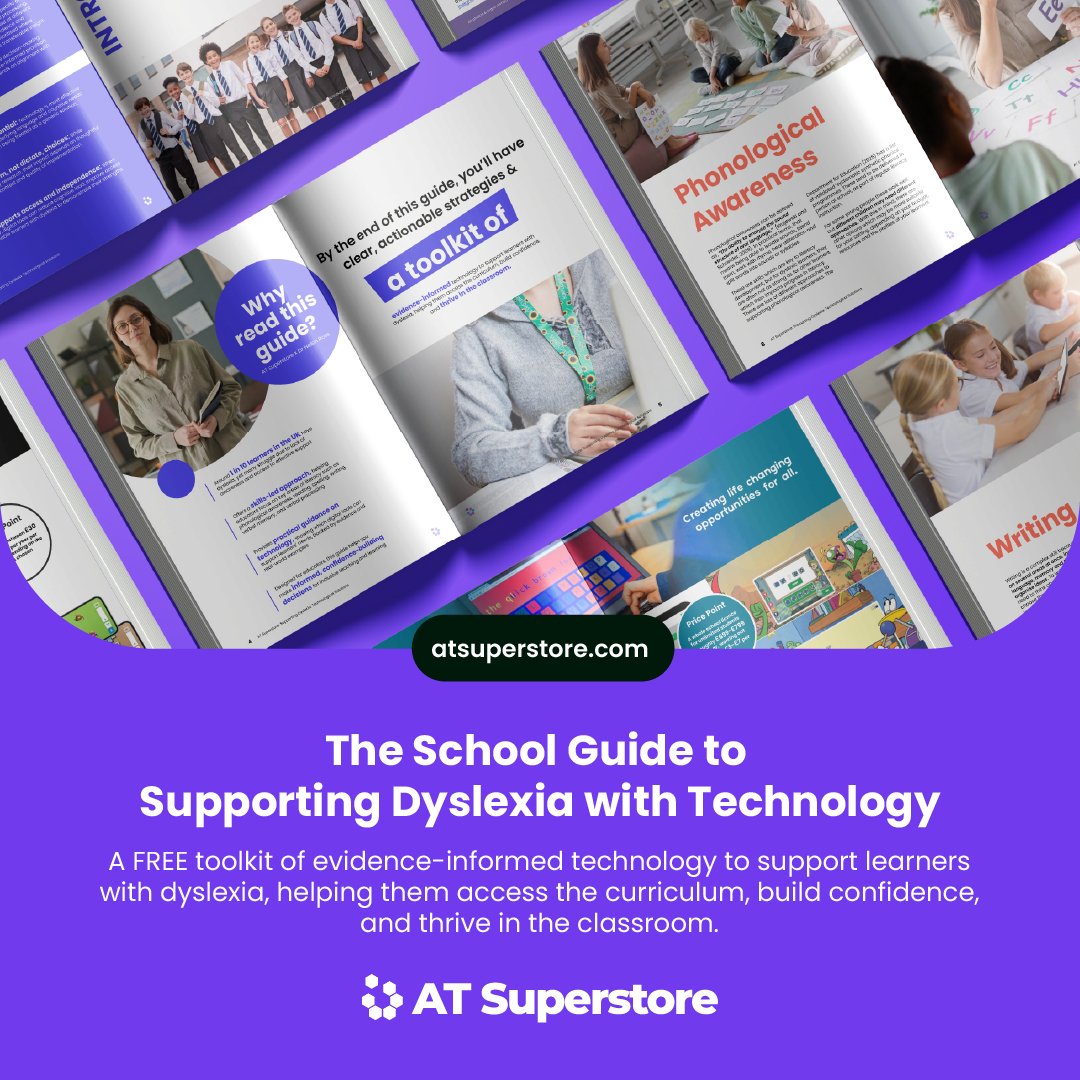
Phonological Awareness
Tools that strengthen sound recognition, blending, and segmenting - the building blocks of literacy.
Verbal Memory
Apps to support working memory capacity so learners can hold instructions, retain vocabulary and follow lessons.
Verbal Processing
Resources to help learners interpret spoken language, participate in discussion and build oracy alongside literacy.
Spelling
Multisensory and mnemonic tools that reinforce phoneme–grapheme links and build long-term spelling retention.
Reading
Structured programmes from free games to RCT-backed interventions, with proven reading age gains for struggling readers.
Writing
Assistive tools and stimulus platforms to reduce cognitive load and help dyslexic learners express their best thinking on the page.